


Thursday Plenary Session
10:45 AM – 12:30 PM
Asaf Bitton, MD, MPH
Dr. Bitton is the Executive Director of Ariadne Labs, a health systems innovation center of over 100 staff and faculty at the Harvard T.H. Chan School of Public Health and Brigham and Women's Hospital in Boston, MA. He is an Associate Professor of Medicine and Health Care Policy at Harvard Medical School and the Harvard T.H. Chan School of Public Health. He leads Ariadne Labs' efforts to design, test, and spread scalable solutions that make domestic and global health systems more effective, safe, and integrated. Ariadne's solutions (checklists, technologies, clinical protocols, and other interventions) focus on childbirth, primary care, surgery, home hospital, population genomics, and serious illness care, and reach over 148 million patients every year around the globe.
He has served as a Senior Advisor for Primary Care and Payment Policy at the Center for Medicare and Medicaid Innovation since 2012, helping to design and implement six major federal initiatives representing the largest tests and implementations of combined primary care payment and clinical practice transformation work in the United States. He was a core founder and leader of the Primary Health Care Performance Initiative, an 8-year partnership between the Gates Foundation, WHO, World Bank, and UNICEF that included more than 30 countries dedicated to improving the measurement and global provision of primary health care. Dr. Bitton practices primary care internal medicine at Brigham and Women's South Huntington clinic, a team-based community primary care practice in Boston that he helped found in 2011.
He currently serves on the board of the National Committee for Quality Assurance (NCQA) and is part of the Center for Strategic and International Studies Bipartisan Commission on Strengthening America's Health Security. He is also a member of the Executive Forum at the Health Care Payment Learning and Action Network (HCP-LAN) and co-chairs its Prevention Working Group. He was a member of the National Academies of Sciences, Engineering, and Medicine committee that produced the widely cited 2021 report Implementing High-Quality Primary Care: Rebuilding the Foundation of Health Care, and currently serves on the National Academies Standing Committee for Primary Care, co-chairing the Payment Workgroup. He is an elected member of the International Academy of Quality and Safety and received the 2023 Barbara Starfield Primary Care Leadership Award.

Friday Plenary Session
10:45 AM – 12:30 PM
Lilia Cervantes, MD, MSCS
Lilia Cervantes, MD, MSCS, is a tenured Professor of Medicine and Director of Immigrant Research at the University of Colorado Anschutz Medical Campus and a member of the National Academy of Medicine, elected in 2026. The daughter of Mexican immigrants, she spent 13 years as a hospitalist at Denver Health, Colorado’s safety-net hospital, where caring for undocumented patients who could receive dialysis only through the emergency department led her into research. Working alongside patients, community organizations, clinicians, and state officials, she generated the evidence that transformed Medicaid policy for undocumented patients with kidney failure: her mixed-methods and epidemiologic studies showed that emergency-only dialysis carries a 14-fold higher risk of death than scheduled outpatient care and costs more — findings that catalyzed Colorado’s 2019 policy change and subsequent reforms in more than 20 states.
Dr. Cervantes leads Research for Change, a community-partnered implementation science group, and is principal investigator of the NIDDK-funded Navigate-Kidney trials of a community health worker intervention for Latino patients with kidney disease, including a randomized trial published in JAMA Internal Medicine (2026) and an ongoing multi-site trial in advanced chronic kidney disease. Her Advocacy-Informed Research framework (Journal of General Internal Medicine, 2026) is taught nationally, and she has mentored 29 trainees across 15 institutions, 20 of whom now hold faculty positions. She serves on the NIDDK National Advisory Council, a governor-appointed health insurance board, and the board of a safety-net health system. An SGIM member since 2012 and recipient of its 2023 David Calkins Award in Health Policy Advocacy, she is an elected member of the American Society for Clinical Investigation and the Association of American Physicians, and her honors include the Bernard Lown Award for Social Responsibility (2024), the Association of American Physicians’ Helen Ranney Award (2026), and the APHA Sommer Klag Advocacy Achievement Award (2026).
Saturday Plenary Session
10:00 AM – 12:00 PM
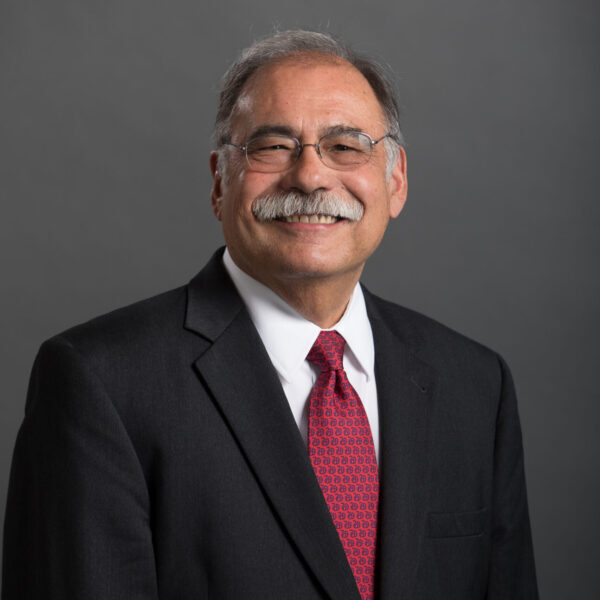
Thomas S. Inui, ScM, MD
Thomas S. Inui, ScM, MD, is an Emeritus Member of the National Academy of Medicine, the retired Director of Research at the IU Center for Global Health, and a retired Professor of Medicine at the Indiana University School of Medicine. A primary care physician, educator, and researcher, he previously held positions as Professor and Division Head of General Internal Medicine at the University of Washington School of Medicine and as the Paul C. Cabot Professor and founding chair of the Department of Population Medicine at Harvard Medical School. A member of SREPCIM/SGIM since 1978, he served as a Member of Council (1983-86) and President-elect, President, and Immediate Past President (1986-89). He is a recipient of SGIM’s Robert Glaser Award (1993) and Elnora M. Rhodes Service Award (2014). Dr. Inui’s special emphases in teaching and research have included physician-patient communication, chronic disease management, health promotion and disease prevention, the social context of medicine, and medical humanities.